
All Sets are Not Created Equal
Volume is a very misunderstood metric in the fitness industry. It cannot be accurately calculated by just multiplying sets, reps, and weight or just counting sets per mucsle group. Volume cannot even always be compared across different programs and has to be assessed specific to the stimulus. Here is an introduction to better understanding volume.
Timestamps
0:45 When to consider sets as counting towards the volume of the workout for a neurological goal
2:30 Volume approximation for a metabolic stimulus
5:30 How to progress in volume without adding sets or reps
6:00 Volume considerations when adding intensifiers
6:50 Why you cannot compare volume between different stimuli
8:00 Volume per stimulus depends on the individual’s trainability
10:20 What to focus on and what to avoid in an oxidative stimulus program
More Videos

Progressive Overload Q&A
by Kassem Hanson | Jul 31, 2022 |

Amino Acid Supplementation
by N1 Education | Aug 09, 2019 |

Assessing if You’re Teaching and Using Proper Execution & Biomechanics
by N1 Education | Mar 12, 2020 |

Considerations When Cycling PEDs
by N1 Education | Mar 12, 2020 |

Best Exercises – AMPK
by N1 Education | Mar 05, 2019 |
More Articles
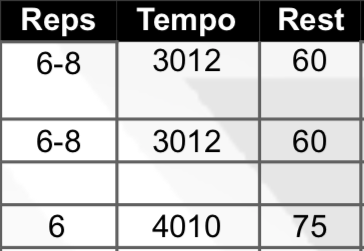
Your Program Needs Tempo
by N1 Education | Dec 03, 2018 |
Rest Intervals
by N1 Education | Dec 03, 2018 |

The Importance of Fiber
by N1 Education | Jun 11, 2018 |
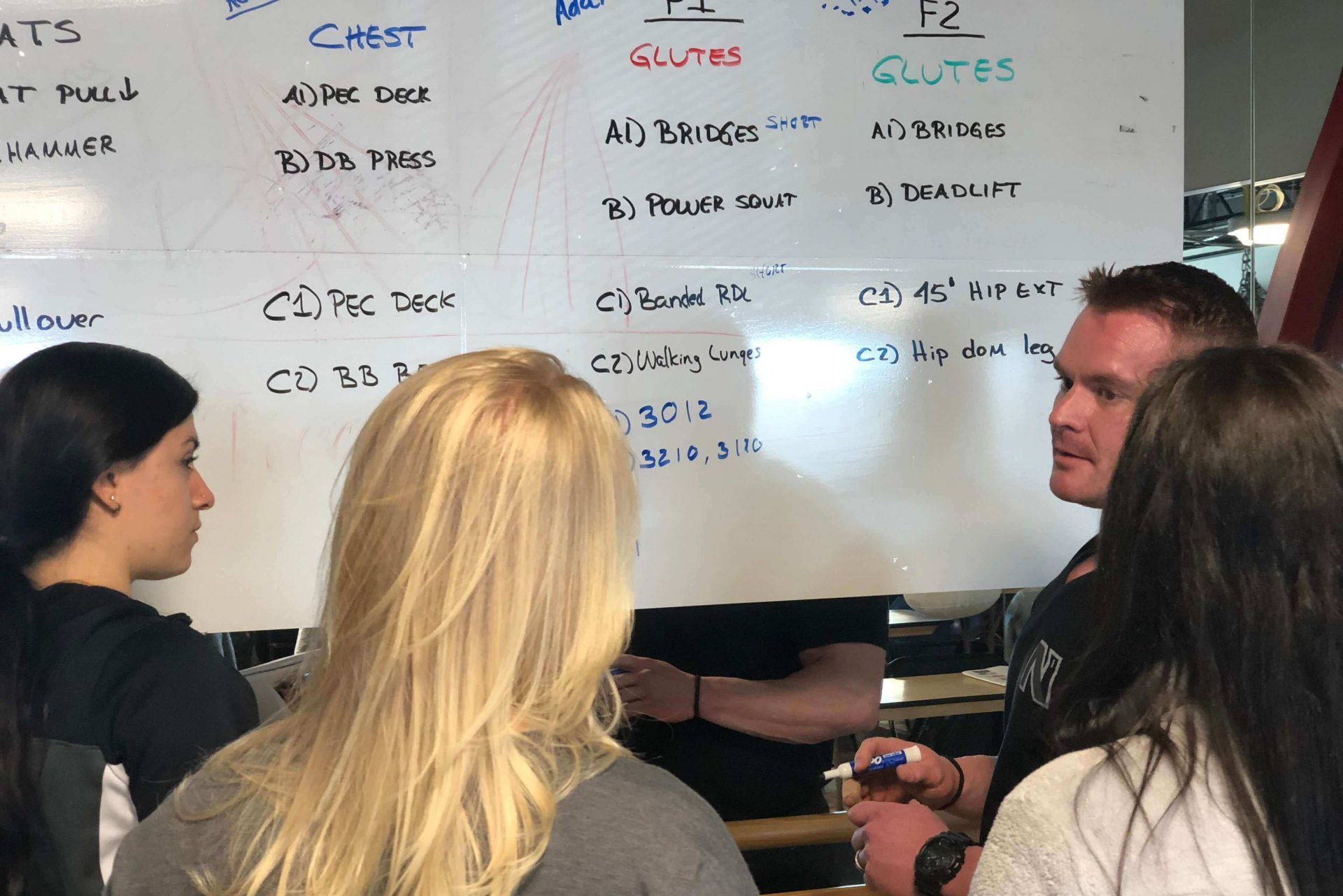
Rep Ranges Matter in Your Program
by N1 Education | Dec 03, 2018 |
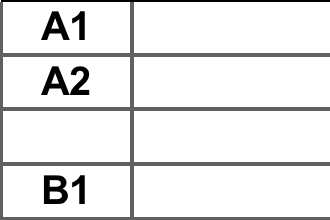
Understanding Exercise Pairing – Labeling In A Workout
by N1 Education | Jun 11, 2018 |